Disclaimer: This post provides educational insights about digital tools and organizational platforms. It does not contain financial advice or any content restricted by Google Ads policies.
Introduction
In modern workplaces, digital platforms are crucial for organizing tasks, collaborating effectively, and maintaining productivity. The Flynn People Portal has emerged as a centralized platform designed to support organizational workflows, team coordination, and task management. This post explores the features, interface, and practical applications of the Flynn People Portal, aiming to provide an objective overview for professionals seeking efficient ways to manage their daily activities.
Understanding Flynn People Portal
The Flynn People Portal serves as a hub where employees and teams can access resources, manage tasks, and interact within a structured environment. Its design emphasizes clarity, organization, and ease of navigation.
Key Features
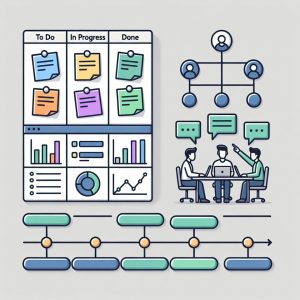
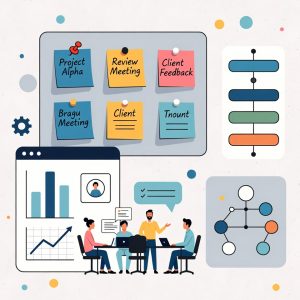
- Dashboard Overview – Offers a snapshot of ongoing projects, upcoming deadlines, and notifications, allowing users to prioritize tasks efficiently.
- Task Management – Facilitates the creation, assignment, and tracking of tasks without relying on complex integrations.
- Resource Access – Centralized storage for documents, guidelines, and templates relevant to team activities.
- User Collaboration – Supports communication between team members, including message boards and comment threads within tasks.
Interface Design
The portal interface is clean and intuitive, with a modular layout that allows users to customize their view. For instance, dashboards can display active tasks, pending approvals, or team announcements depending on user preference. This adaptability enhances usability across diverse team sizes and departmental structures.
Integrating Flynn Portal into Daily Workflows
Incorporating the Flynn Portal into daily operations involves understanding how its features complement existing workflows.
Step-by-Step Usage
- Login and Initial Setup – Users authenticate through the Flynn Portal system and configure notifications according to their role.
- Task Assignment – Team leads can create tasks, assign responsibilities, and set deadlines. Users can then update progress directly within the portal.
- Collaboration and Review – Teams communicate through in-app messaging or comment threads, reducing reliance on external communication platforms.
- Progress Tracking – Dashboards provide visual indicators of task completion, upcoming deadlines, and potential bottlenecks.
This structured approach allows teams to maintain visibility on projects while reducing the complexity of multi-platform management.
Comparing with Other Platforms
While Flynn People Portal is specialized for workplace productivity, it can be compared with other neutral digital tools:
- Generic Task Managers – Offer basic task tracking but may lack integrated collaboration features.
- Document-Centric Platforms – Provide extensive storage and document sharing but may not emphasize task prioritization or team workflows.
- Communication Hubs – Facilitate messaging but often require external task management systems for full workflow integration.
The Flynn Portal combines elements of these platforms in a cohesive environment, making it a practical solution for teams seeking a single access point for work management.
Best Practices for Effective Use
- Customize Dashboard Views – Tailor the interface to highlight critical tasks and ongoing projects.
- Consistent Task Updates – Encourage team members to update progress regularly to maintain accurate tracking.
- Leverage Collaboration Features – Utilize comment threads for clarifications to reduce email clutter.
- Periodic Review – Schedule weekly reviews within the portal to assess project status and reassign tasks as necessary.
Conclusion
The Flynn People Portal offers a comprehensive platform for managing workplace productivity. Its structured design, centralized resources, and collaboration tools provide an efficient approach for teams to navigate daily workflows. While it is one of many digital solutions, its integrated features make it particularly useful for professionals aiming for organized task management.
Final Disclaimer: This post provides educational insights about digital tools and organizational platforms. It does not contain financial advice or any content restricted by Google Ads policies.